
How Zinc Oxide Nanoparticles and Silver-Zirconium Technology in Oxygen™ Help Control Mites on Walls and in Indoor Air
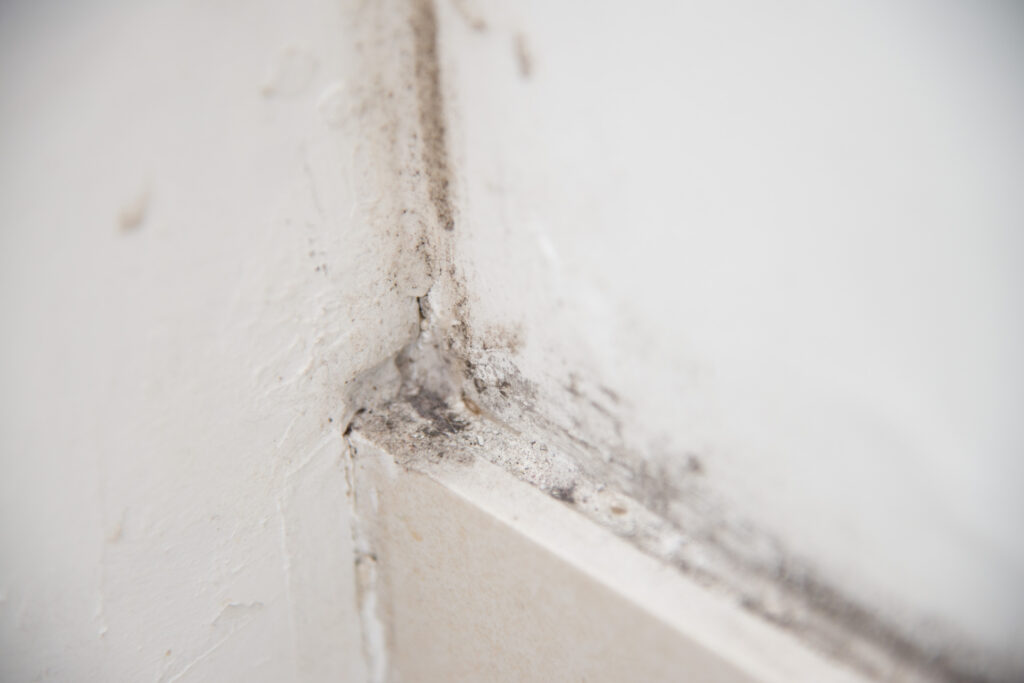
When we think about mites, we usually associate them with bedding, carpets, or upholstery. What’s often overlooked is that walls and ceilings act as long-term reservoirs for dust, moisture, and microbial buildup, the exact conditions mites need to survive. Oxygen™ was designed to change that equation by turning painted surfaces into active health-supporting layers, rather than passive backdrops.
At the core of Oxygen™ are zinc oxide nanoparticles (ZnO-NPs) combined with silver ions stabilized in a zirconium matrix. When mixed into standard acrylic or latex paint at a ratio of 60 grams per gallon, this formulation treats approximately 400 square feet of surface area, creating a durable, invisible protective coating.
Why Mites Are a Real Indoor Health Issue
Dust mites themselves don’t bite or sting, but they produce potent allergens through their fecal particles and body fragments. These allergens easily become airborne when disturbed, contributing to:
- Asthma flare-ups
- Chronic allergic rhinitis
- Skin irritation and eczema
- Poor sleep quality and respiratory stress
Mites thrive in warm, humid environments and rely heavily on microbial growth and organic debris on surfaces for survival. That makes surface chemistry a critical but often ignored factor in long-term prevention.
Why mites are hard to eliminate
Mites themselves are not bacteria. They are multicellular arthropods with chitin-based exoskeletons, relatively low metabolic rates, and strong environmental dependence. This means:
- They are less vulnerable to single-mechanism biocides
- They survive indirectly by feeding on microbial biofilms, fungi, and organic debris
- Their allergenic impact comes mostly from fecal particles and body fragments, not just living mites
So the real challenge is not just killing mites directly, but collapsing the ecosystem that allows them to survive and reproduce.
That’s where multi-modal nanomaterials matter.
What Zinc Oxide Nanoparticles do well
ZnO-NPs bring several important functions:
- Reactive Oxygen Species (ROS) generation
ZnO produces oxidative stress under ambient light and moisture conditions. This damages:- Microbial membranes
- Proteins and enzymes
- Cellular DNA|
- Surface toxicity to soft-bodied organisms
While mites are more resistant than bacteria, ZnO can:- Disrupt lipid membranes
- Damage respiratory openings (spiracles)
- Reduce egg viability on treated surfaces
- Humidity modulation at the micro level
Mineral nano-surfaces reduce moisture retention, making surfaces less hospitable to mite survival.
Limitation:
ZnO alone works gradually and indirectly. It suppresses mite populations but does not aggressively dismantle allergen-producing residues or microbial food sources on its own.
What Silver (Ag⁺) in Zirconium Adds
Silver ions immobilized in zirconium phosphate or zirconium oxide structures change the game.
Why zirconium matters
Zirconium-based carriers:
- Control silver ion release (slow, sustained, non-leaching)
- Prevent silver agglomeration
- Extend efficacy for years rather than months
This turns silver from a short-term antimicrobial into a long-duration surface defense system.
What silver contributes
Silver ions are exceptionally potent at:
- Denaturing proteins, including allergenic mite enzymes
- Interrupting mitochondrial respiration in microorganisms
- Inactivating enzymes that mites rely on for digestion
- Suppressing fungi and bacteria that mites feed on
Importantly, silver doesn’t need to kill the mite directly to be effective. By eliminating food sources and degrading allergen proteins, it reduces both mite survival and human immune response.
Why ZnO + Ag-Zr is more effective together
When zinc oxide nanoparticles and silver-zirconium systems are combined, you get synergistic effects, not redundancy.
| Function | ZnO-NP | Ag-Zr | Combined Effect |
|---|---|---|---|
| Oxidative stress | Strong | Moderate | Enhanced ROS activity |
| Microbial suppression | Broad | Extremely potent | Near-total biofilm collapse |
| Allergen degradation | Limited | Strong | Reduced immune triggers |
| Longevity | Medium | Very long | Sustained protection |
| Mite habitat disruption | Indirect | Indirect | Ecosystem-level suppression |
This combination:
- Attacks mites biologically
- Removes their nutritional support
- Degrades allergenic residues
- Keeps working without reapplication
That’s exactly what you want in a health focused paint or varnish, where intervention must be passive, durable, and safe.
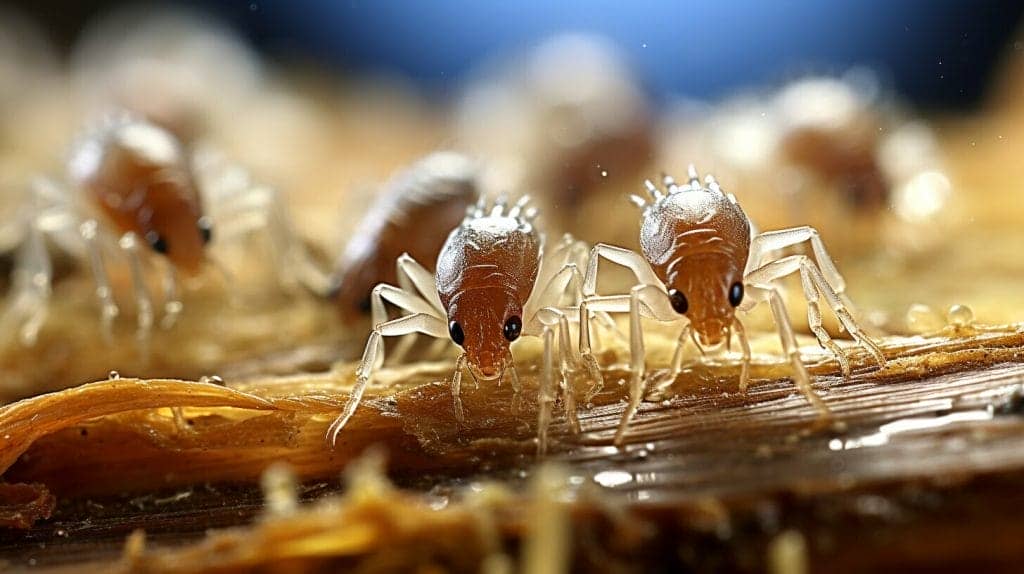
Mite Colonies grow FAST and airborne mite are invisible to the eye.