How Creative Oxygen Labs’ Paint Additive Can Help Advance Green Schools
Time for ACTION
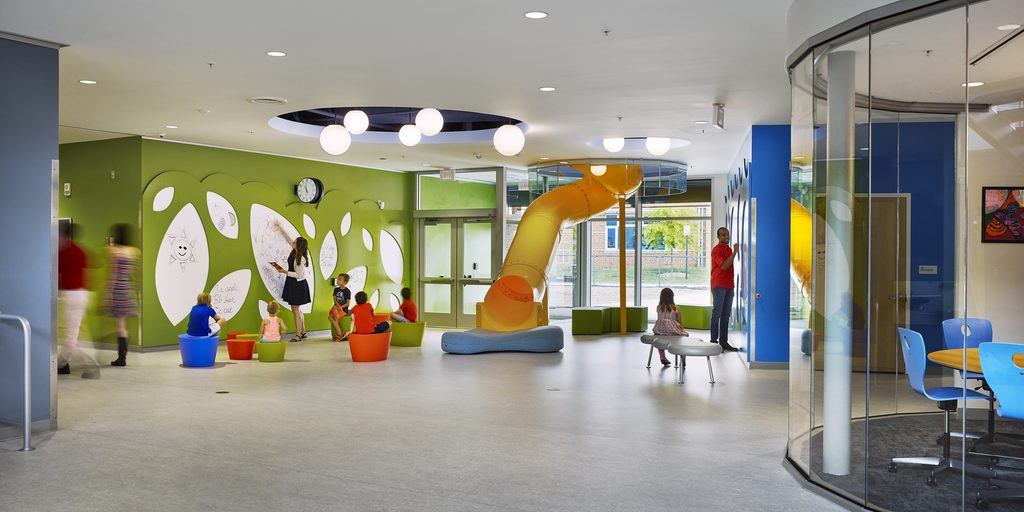
Across America, millions of students spend more than 1,800 hours each year inside classrooms. For many, that means breathing indoor air for over 10 hours a day during school hours and after-school programs. As school districts continue investing in healthier learning environments, indoor air quality has become one of the most important factors influencing student wellness, attendance, and academic performance.
Creative Oxygen Labs believes one often-overlooked building surface can now become part of the solution: the classroom walls themselves.
Every Wall Can Become Part of the Clean Air Strategy
Traditional paint protects and decorates surfaces.
Oxygen Paint Additive transforms painted walls and ceilings into active environmental surfaces by incorporating a proprietary mineral technology into standard water-based architectural paints. Rather than replacing existing painting specifications, the additive is mixed directly into compatible acrylic or latex paints before application, allowing schools to continue using their preferred paint manufacturer.
The concept is simple:
Instead of viewing walls as passive building materials, they become a continuous surface designed to support cleaner indoor environments.
For schools managing hundreds of classrooms, libraries, cafeterias, administrative offices, and gymnasiums, every square foot of painted surface represents an opportunity to contribute to healthier indoor spaces.
Supporting the Goals of Green Schools
Prioritizing Green Schools emphasizes several key factors such as:
- Improving indoor environmental quality
- Supporting occupant health and wellness
- Creating resilient school facilities
- Reducing environmental impacts
- Helping schools pursue LEED certification
- Providing healthier learning environments for students and educators
Creative Oxygen Labs’ Oxygen technology aligns conceptually with many of these objectives because it focuses on improving the performance of interior finishes while complementing broader building strategies such as ventilation, filtration, moisture management, and low-emitting materials. It should be viewed as an additional layer within a comprehensive indoor air quality program rather than as a replacement for HVAC systems or established maintenance practices.
Why Indoor Air Quality Matters More Than Ever
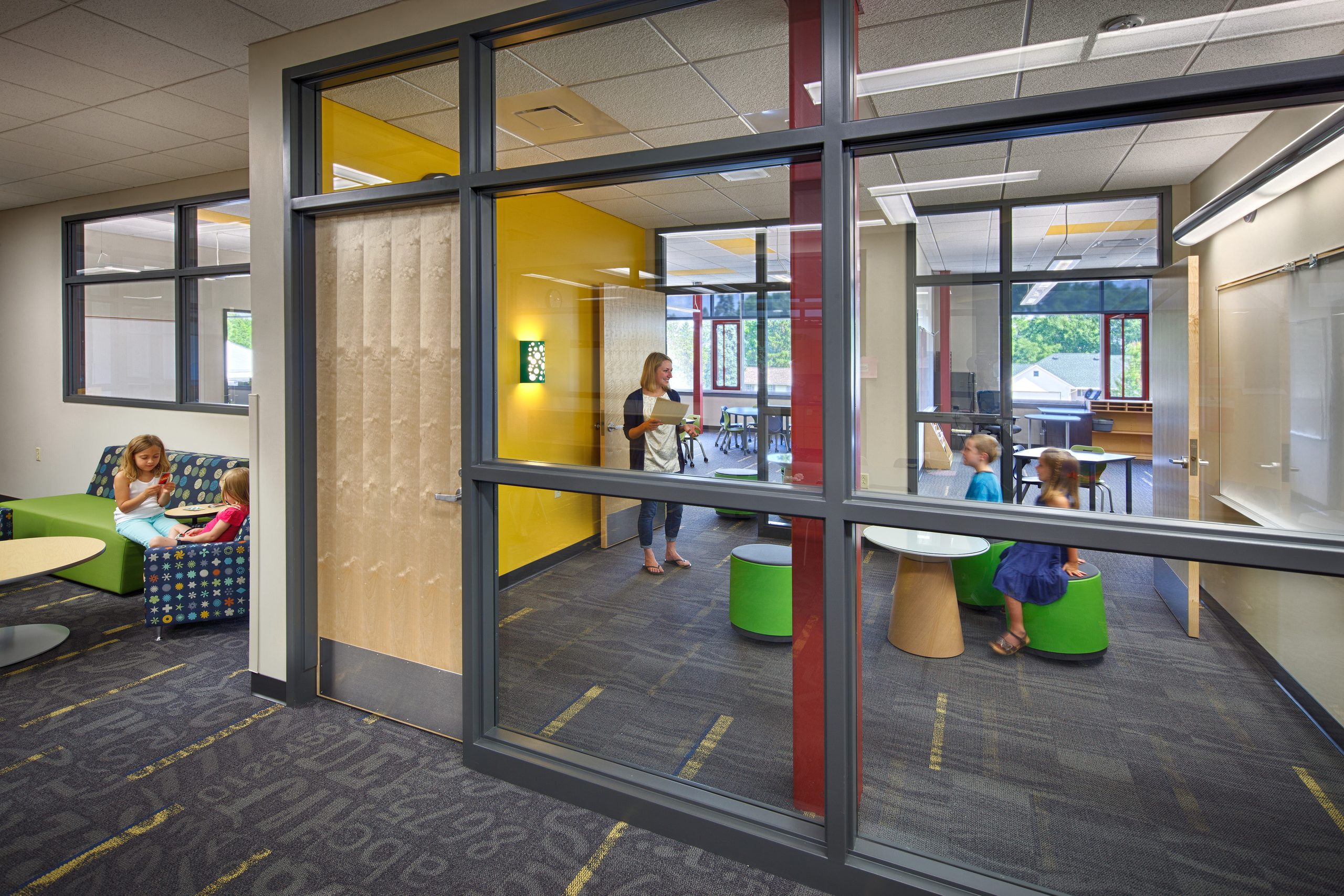
Oxygens Green Schools movement continues to educate districts about the importance of indoor air quality because research consistently shows that indoor environments affect health, attendance, concentration, and overall learning performance. Their resources encourage schools to address factors including carbon dioxide, volatile organic compounds (VOCs), particulates, humidity, and overall indoor environmental quality.
Children are especially vulnerable because they:
- Breathe more air relative to their body weight than adults.
- Spend long periods inside classrooms.
- Have developing respiratory and immune systems.
- Are more sensitive to environmental pollutants.
Every improvement to the indoor environment can contribute to creating healthier places to learn.
A Practical Addition During Scheduled Maintenance
One of the greatest advantages of Oxygen Paint Additive is that it can be incorporated during routine repainting cycles.
School districts already repaint:
- Classrooms
- Hallways
- Administrative offices
- Libraries
- Auditoriums
- Gymnasiums
- Cafeterias
- Student residences
- Early childhood learning centers
Rather than adding another renovation project, Oxygen can be mixed into paint that would already be applied as part of planned maintenance, potentially minimizing disruption and additional labor.
Supporting LEED Projects
LEED certification encourages project teams to pursue credits that improve building performance, occupant health, energy efficiency, water conservation, and environmental responsibility through a comprehensive, third-party verified framework.
Although no single paint additive earns LEED certification on its own, technologies that support healthier indoor environments may complement broader project strategies when they meet applicable project requirements and documentation standards.
Creative Oxygen Labs sees its technology as one component of an integrated healthy building approach alongside:
- Low-emitting materials
- High-performance ventilation
- Moisture management
- Sustainable maintenance practices
- Indoor air quality management plans
- Green cleaning programs
Together, these measures can help schools pursue higher-performing facilities while aligning with LEED objectives.
Why Schools Across North America Should Consider Becoming Involved With The Oxygen Ambassador Program
The Oxygen Green Schools Initiative aims to build a nationwide network of educators, sustainability professionals, facility managers, architects, and school leaders who are ready to champion our “Healthier Schools Better Performance” campaign.
An Oxygen Ambassador Program complements this network by engaging professionals who are committed to healthier indoor learning environments. Potential ambassadors could:
- Introduce school districts to emerging healthy-building technologies.
- Share best practices for indoor environmental quality.
- Promote awareness of healthier classroom environments.
- Support conversations around sustainable facility upgrades.
- Connect districts with educational resources about indoor air quality.
Such a program could help expand awareness while fostering collaboration among school administrators, architects, facility managers, painting contractors, sustainability consultants, and public health advocates.
Benefits for Students, Teachers, and School Districts
For students, healthier indoor environments can contribute to spaces that are more comfortable for learning.
For teachers, improved classroom environments support a workplace where they spend thousands of hours throughout the school year.
For school administrators, healthy-building initiatives demonstrate a commitment to student well-being, sustainability, and responsible stewardship of public facilities.
For communities, investments in healthier schools reinforce confidence that education facilities are designed with long-term health, resilience, and environmental performance in mind.
Looking Ahead
North America’s schools are evolving from traditional buildings into high-performance learning centers. The Green Schools Initiative is instrumental in advancing this vision by promoting healthier buildings using an evidence-based approach to indoor environmental quality.
Creative Oxygen Labs believes that innovative building materials, including advanced paint additives designed to support cleaner indoor environments can play a meaningful role in that evolution. By integrating such technologies into routine maintenance and renovation programs, school districts have an opportunity to enhance existing facilities while supporting broader health and sustainability objectives.
Healthy schools are not created by one technology alone. They result from thoughtful design, effective operations, and continuous improvement. When every building, and every wall, contributes to a healthier indoor environment, schools move closer to achieving the vision championed by the Green Schools: safe, sustainable places where every student has the opportunity to thrive.
Footnote: The Center for Green Schools, a program of the U.S. Green Building Council, has made this challenge a national priority. Its mission is to ensure every student learns in a sustainable, healthy, resilient, and equitable school while supporting LEED-certified school buildings and practical strategies that improve indoor environmental quality.