The Hidden Health Crisis Facing Professional Painters And Why the Industry Needs to Change
Why we need change in this industry more than ever before
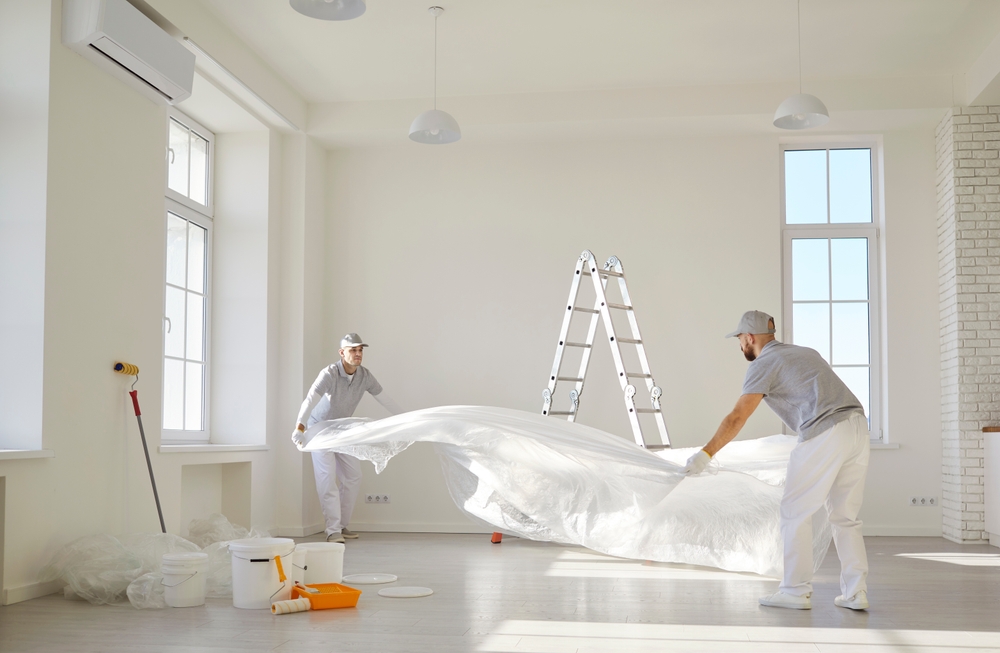
For decades, painters have helped shape the environments where we live, work, learn, and heal. From homes and schools to offices and hospitals, paint has become a standard part of modern construction and interior design. But behind every freshly painted wall lies a growing occupational health concern that few people truly talk about.
Studies in occupational health continue to reveal a troubling reality: a significant percentage of commercial and residential painters suffer from respiratory illnesses, lung function decline, and long-term exposure-related health complications caused by paints, solvents, and volatile organic compounds (VOCs).
In many studies, over 50% of painters reported at least one respiratory symptom such as chronic coughing, wheezing, throat irritation, or shortness of breath. Among spray painters, the number is even more alarming, with nearly 90% reporting breathing-related symptoms during their careers.
This is not a small industry issue. It is a global health concern.
The Long-Term Cost of Paint Exposure
Professional painters are exposed daily to airborne chemicals and microscopic particles released during painting applications, especially in poorly ventilated indoor environments.
Some of the most common harmful compounds found in traditional paints and coatings include:
- Toluene
- Xylene
- Benzene
- Formaldehyde
- Ethylene glycol
- Ammonia-based compounds
- Various VOCs and synthetic solvents
Over time, repeated exposure to these substances can contribute to:
- Occupational asthma
- Chronic bronchitis
- Chronic obstructive pulmonary disease (COPD)
- Reduced lung function
- Neurological issues linked to solvent exposure
- Eye, nose, and throat irritation
- Skin dermatitis
- Cardiovascular complications
- Increased cancer risk in certain occupational settings
Research has also shown that painters with more than 10–15 years in the trade often experience measurable declines in lung capacity and respiratory efficiency, particularly reduced FEV1 levels, one of the key indicators of lung health.
The danger becomes even greater when painters work indoors with inadequate airflow or inconsistent use of respiratory protection. In some reports, nearly half of painters admitted to rarely or never wearing proper respirators consistently while working.
The result is a silent accumulation of chemical exposure that affects not only painters themselves, but also homeowners, office workers, children, and families occupying these spaces long after the paint dries.
Why Indoor Air Quality Matters More Than Ever
People spend nearly 90% of their time indoors. Yet indoor air pollution is often overlooked compared to outdoor pollution.
Walls and ceilings cover the largest surface areas inside buildings. Traditionally, these surfaces have been passive — simply decorative barriers. But what if those same surfaces could actively contribute to healthier indoor environments instead of adding to the problem?
This is where innovation in clean technology coatings becomes critically important.
How Oxygen by Creative Oxygen Labs Helps Address the Problem
Creative Oxygen Labs has developed Oxygen, a trademarked mineral-based paint additive designed to transform ordinary painted surfaces into active environmental surfaces.
Instead of relying solely on traditional chemical-heavy coatings, Oxygen introduces earth mineral technologies and advanced clean-tech materials into standard acrylic and latex paints.
The goal is simple:
reduce harmful indoor pollutants while creating healthier indoor spaces for both painters and occupants.
Key Benefits of Oxygen Technology
Reduced VOC Burden
When added into compatible paints, Oxygen helps reduce the impact of harmful VOCs commonly associated with indoor coatings and building materials. This can contribute to cleaner indoor air quality over time.
Air Purification Support
Walls coated with Oxygen-enhanced paint become active surfaces that help interact with airborne contaminants rather than remaining chemically passive.
Antimicrobial Surface Protection
Oxygen formulations incorporating advanced mineral technologies and nanoparticle science may help inhibit microbial growth on surfaces, contributing to healthier indoor environments.
Potential Reduction in Secondary Exposure
By improving the environmental performance of painted surfaces, painters, contractors, building owners, and occupants may experience lower long-term exposure to harmful airborne compounds.
Cleaner Construction Philosophy
The future of construction is not just about stronger materials. It is about healthier materials.
The industry is beginning to recognize that walls should no longer simply “look good.” They should contribute to wellness, durability, sustainability, and environmental performance.
A Shift Toward Health-Conscious Painting
The painting industry is at a turning point.
Consumers are becoming more aware of indoor air quality. Contractors are looking for healthier alternatives. Property developers are under increasing pressure to meet sustainability and wellness standards.
This creates an opportunity for a new generation of smart coatings and clean construction materials that prioritizes human health alongside performance.
Painters have spent decades improving the appearance of our buildings. It is time the industry also focused on protecting the health of the people applying these products and the people living inside them.
The future of paint should not only be about color. It should be about clean air, healthier spaces, and safer lives.